
Unleash Your Green Thumb: Secrets to Mastering Vertical Gardening in Tiny Spaces
Vertical gardening is an exciting way to grow plants when space is tight. Whether you live in a small apartment, a tiny backyard, or on a balcony, there are numerous ways to enhance your gardening experience. This guide will provide practical tips and specific examples to help you get the most out of vertical gardening. Let’s dive in and discover how to make your green dreams come true!
Understanding Vertical Gardening
Vertical gardening is about growing plants upwards instead of spreading them out. This method saves space, adds beauty, and improves air quality. You can grow a variety of plants, from herbs to colorful flowers and even vegetables.
Vertical gardens can be set up both indoors and outdoors, making them a flexible option for any living situation. With a bit of creativity, you can transform even the smallest corner into a vibrant green space.
Choosing the Right Plants
Selecting the right plants is crucial to a successful vertical garden. Look for varieties that thrive in small spaces and don't require deep root systems.
1. Herbs and Greens:
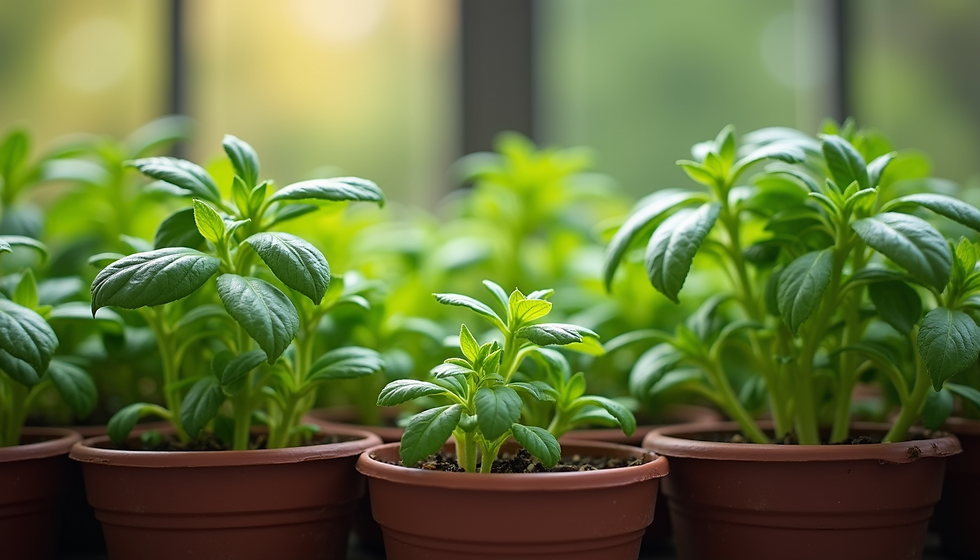
Herbs such as basil, mint, and parsley are ideal for vertical gardening due to their ability to thrive in confined spaces and their culinary uses. Leafy greens like lettuce and spinach are also excellent options. For example, 4 spinach plants can yield between 2 to 4 pounds of greens during their growing season. With the right conditions and care, it's possible to achieve even greater harvests.
2. Climbing Plants:
Choose plants like peas, beans, or cucumbers that naturally tend to grow upwards. These not only take up minimal ground space but can also produce bountiful harvests, with cucumber plants yielding anywhere from 10 to 30 cucumbers per season.
3. Flowering Plants:
Add vibrant flowering vines or hanging plants such as petunias and nasturtiums to enhance visual interest and attract pollinators to your garden. These additions can elevate the appearance of your garden, making even a small area feel lively and inviting.
Creating Vertical Garden Structures
After selecting your plants, think about how to support them effectively. The right structures can enhance both the stability and aesthetics of your garden.
1. Vertical Planters:
Tiered planters or vertical racks are fantastic for maximizing space. They allow you to grow multiple varieties in a small area. For example, a six-tier planter can comfortably hold 12 to 18 pots.
2. Pallets and Walls:
Repurposing wooden pallets into vertical structures is both cost-effective and creative, making it an excellent choice for those looking to enhance their gardening space without breaking the bank. This innovative approach not only promotes sustainability by giving old pallets a new life but also allows for the efficient use of limited space, especially in urban environments where traditional gardening options may be scarce.
3. Hanging Planters:
Use hanging planters to make the most of vertical space. By installing hooks or utilizing ceiling space, you can create a stunning cascading effect that draws the eye upwards, transforming empty walls into a lush display.

Soil and Water Management
Soil and water management is essential for the success of your vertical garden.
1. Soil Selection:
Opt for high-quality potting soil specifically created for container gardening. This soil is lighter and offers superior drainage, essential in vertical arrangements to avoid water buildup. Certain potting soils are formulated to retain moisture while still promoting aeration, which can decrease the need for frequent watering, particularly in hot conditions. Overall, using potting soil in container gardening establishes an optimal setting for cultivating vegetables, leading to healthier plants and possibly greater yields. It reduces the difficulties linked with traditional gardening and improves the overall growing experience.
2. Watering Techniques:
Consider using self-watering systems or a simple drip irrigation method. These approaches ensure that your plants receive consistent moisture, reducing the time and effort needed for manual watering.
Maximizing Sunlight and Space
Getting the right amount of sunlight is critical for plant health, especially in a vertical garden.
1. Sunlight Orientation:
Observe your space throughout the day to find the best sunlight exposure. Position your plants to maximize their sunlight, perhaps placing taller plants behind shorter ones for even light distribution.
2. Rotating Plants:
Regularly rotate your plants to ensure even sunlight exposure. This practice is especially beneficial in smaller vertical gardens where access to sunlight might be limited.
Using Recycled Materials
One of the best parts of vertical gardening is the chance to get creative with recycled materials.
1. Cans and Bottles:
Old cans and plastic bottles can be transformed into unique planters. Attach them to walls or shelves to save space while adding an artistic touch to your garden.
2. Old Shoes and Boots:
Repurpose old shoes or boots as quirky planters. Not only do they provide an excellent way to repurpose items, but they also serve as fun conversation starters for your guests.
Maintaining Your Vertical Garden
Consistency is crucial for keeping your vertical garden healthy.
1. Regular Pruning:
Keep an eye on plant growth and prune regularly. Pruning encourages healthy growth and prevents plants from becoming tangled. Aim to prune every two to four weeks during the growing season.
2. Fertilizing:
Don't forget to fertilize your plants consistently, as vertical gardens can rapidly exhaust nutrients. Using a balanced fertilizer monthly or even weekly on your fruit-bearing vegetables, such as tomatoes, can greatly enhance their growth and overall health.
Overcoming Common Challenges
While vertical gardening can be rewarding, it comes with its own set of challenges.
1. Pests:
Stay vigilant for pests, as they can quickly proliferate in a vertical garden, although you will face fewer pests compared to a traditional in-ground garden. Natural remedies such as neem oil and a regular mixture of dish soap and water are effective against common pests and are safe for edible plants.
2. Stability Issues:
Ensure your vertical structures are stable, and use plant clips or ties to keep plants standing upright. Utilizing sturdy materials can help prevent your garden from collapsing during windy weather or heavy rainfall.
Grow Your Garden with Confidence
Creating a vertical garden in a small space can be simple and enjoyable. With the right planning and a bit of creativity, you can cultivate a thriving green space at home.
By choosing suitable plants, building effective structures, and maintaining consistent care, you can transform even the tiniest areas into lush sanctuaries. Embrace these tips and take delight in the experience of growing. You might just discover that your green thumb thrives in what once seemed like a "tiny" space!


Comments